Certified Locksmith: Knowing When to Contact the Professionals for Your Security Requirements
A professional security expert is critically important in preserving security. Numerous homeowners tend to ignore the warning signals that point to a need for professional help. Problems like a malfunctioning locking mechanism or the aftermath of a break-in can jeopardize safety. Realizing when to get expert support is crucial. As security threats evolve, so do the remedies. What points should be reviewed before reaching out for help?
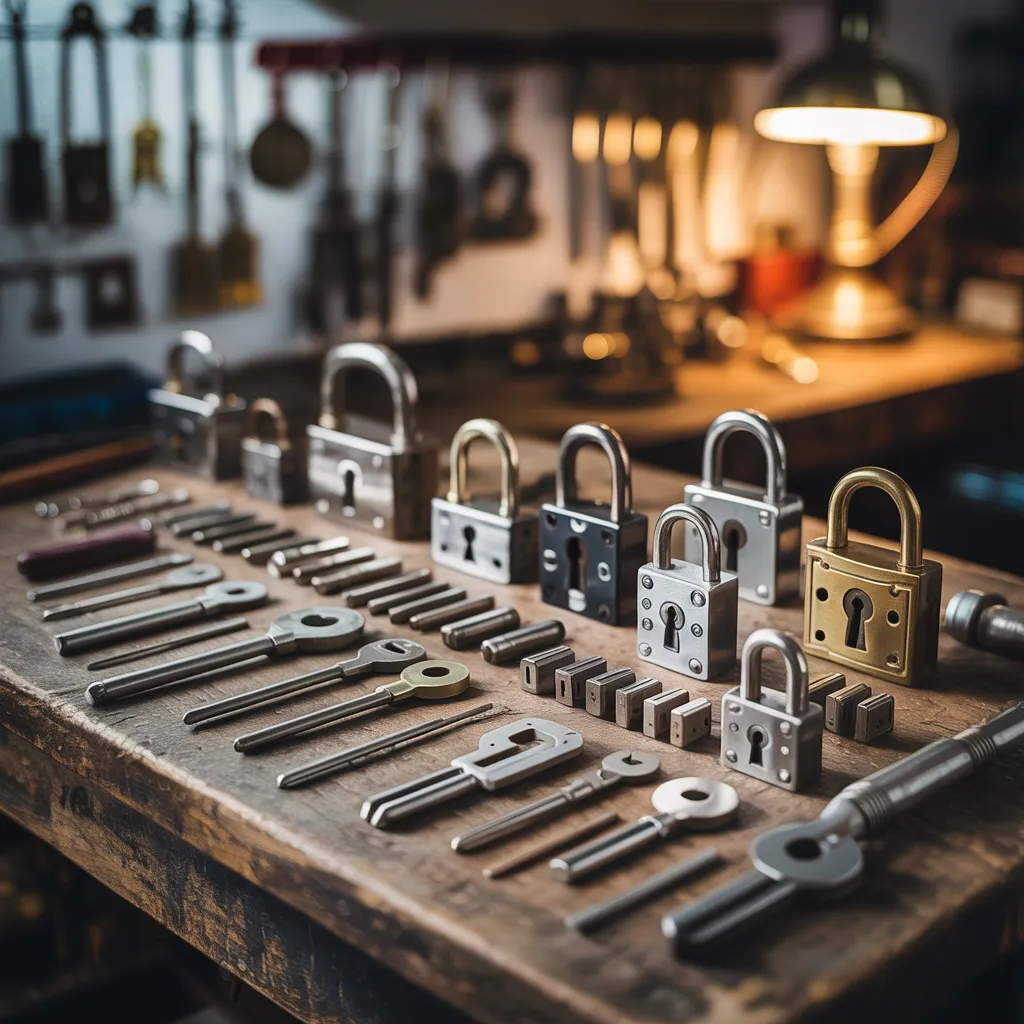
Recognizing the Signs: When You Need a Locksmith
When is it appropriate to reach out to a locksmith? A person may find it necessary to contact a locksmith when they encounter issues with their locks or security systems. Signs such as a key that breaks off in the lock or a lock that becomes difficult to turn are clear indicators of potential problems. Moreover, when a person is repeatedly faced with lockout situations, it may be time to seek the services of a professional locksmith.
Moreover, after moving into a new home, it is wise to enlist the help of a locksmith to update the locks to ensure safety. Security upgrades, such as fitting modern locks or surveillance systems, also call for specialist assistance. As a final point, if a homeowner identifies signs of forced entry or security breaches, urgent action should be pursued by engaging a locksmith to evaluate and strengthen security protocols. Identifying these indicators ensures that homeowners can preserve their security and tranquility.
The Importance of Calling a Locksmith When Locked Out?
Experiencing a lockout can be a frustrating and stressful situation. In such moments, the importance of calling a professional locksmith cannot be overstated. A professional locksmith carries the specialized equipment and knowledge needed to resolve lockouts quickly and safely, reducing the likelihood of damage being caused to your property. Trying to regain access without the assistance of a professional can result in damaged locks or doors, leading to expensive repairs.
In addition, locksmiths are equipped to handle various types of locks and security systems, providing a fast resolution tailored to the specific situation. Their expertise of security protocols also strengthens the safety of the property after re-entry. Furthermore, professional locksmiths can provide helpful advice on upgrading security measures, avoiding future lockouts. Ultimately, relying on a locksmith is not just about gaining access; it is an essential step in protecting both the integrity of the property and the confidence of the individual unable to gain access.
What Can You Do When You're Locked Out?
Being locked out can be an unsettling situation that demands swift response. Your initial priority should be to keep a clear head and take stock of the circumstances. Looking for any unlocked windows or secondary access points can sometimes provide an immediate solution. When no viable solutions can be found, it is recommended that you get in touch with a dependable family member or close friend who may have a spare key.
Should these measures prove unsuccessful, professional help becomes necessary. Reaching out to a locksmith is typically the most reliable method for restoring access swiftly and securely. People should refrain from trying to force their way in, as this can create significant damage that may require costly fixes.
Before the locksmith arrives, collecting the required details, including identification and proof of address, can speed up the process. Ultimately, getting locked out acts as a reminder of the importance of having a backup plan for accessing secure spaces.
Why You Should Consider Upgrading Your Locks
After resolving a lockout situation, most homeowners acknowledge the importance of home security. Upgrading locks becomes a proactive measure to enhance safety. Older locks may not provide adequate protection against today's advanced intrusion tactics, emphasizing the importance of upgrading to more reliable alternatives.
High-security locks, for instance, provide sophisticated features designed to prevent unauthorized entry. These locks often include pick-resistant mechanisms and durable materials, ensuring a more robust defense. Furthermore, smart locks provide convenience and remote access, allowing homeowners to monitor their security from anywhere.
In addition, insurance companies may extend improved rates for homes equipped with upgraded security systems, offering financial incentives for homeowners to strengthen their lock systems. Ultimately, upgrading locks not only bolsters physical security but also cultivates peace of mind, ensuring that residents remain safe in their own environment. This thoughtful investment is a vital step toward complete home security.
What to Expect From a Comprehensive Security Assessment
When property owners request a comprehensive security evaluation, they can expect an in-depth analysis of their property's vulnerabilities and strengths. Professional locksmiths begin by evaluating entry locations such as windows, doors, and garage areas to pinpoint possible vulnerabilities. They examine the integrity and functionality of current locking mechanisms, flagging any deteriorated or aging components that may undermine overall protection.
Additionally, the inspection encompasses examining the local surroundings, taking into account elements like neighborhood crime rates and visibility. Licensed locksmiths typically propose additions such as advanced security locks or alarm systems customized for the specific needs of the property. They frequently provide insights into entry control systems, monitoring cameras, and outside lighting recommendations.
The objective of the inspection is to generate a comprehensive report highlighting discoveries and offering actionable improvements, directly supporting homeowners form educated choices about their safety protocols. This proactive approach provides a well-rounded plan for defending the property against the risk of emerging risks.
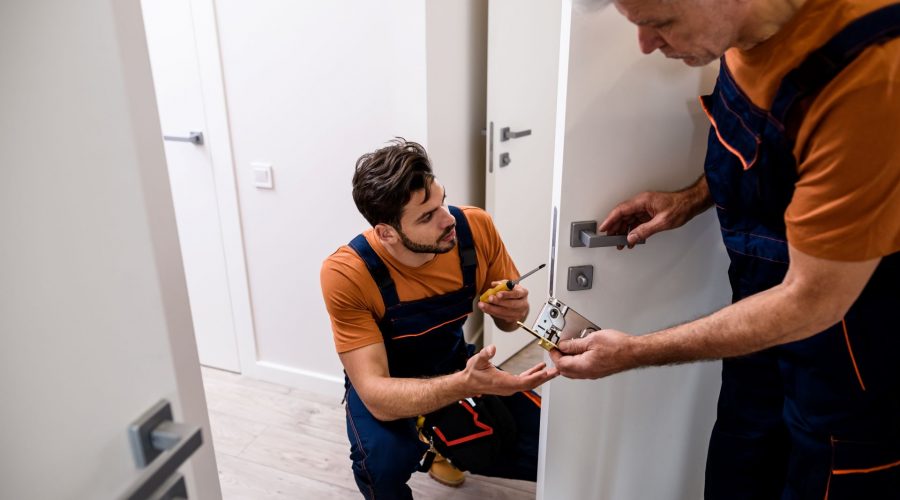
Frequent DIY Blunders to Avoid When Working With Locks
When addressing lock issues, numerous individuals make frequent errors that can complicate the issue. Disregarding certain lock types, overusing lubricants, and incorrectly handling tools can lead to more serious issues. Identifying these mistakes is crucial for efficient lock care and protection.
Ignoring Lock Types
Although many homeowners try to handle lock problems themselves, overlooking the distinct types of locks can cause significant and costly blunders. Various locks, including deadbolts, smart locks, and mortise locks, all feature distinct mechanisms and installation specifications. A lack of understanding can result in improper repairs or replacements, potentially compromising security. To illustrate, forcing a key into a misaligned lock risks damaging both the lock and the key, making expensive replacements necessary. Additionally, mixing up lock types may lead to ineffective solutions and further complications. To prevent these issues, homeowners should thoroughly evaluate their locks and seek the advice of a professional locksmith when unsure about their particular requirements.
The Problem of Overusing Lubricants
Homeowners often make the mistake of overusing lubricants on their locks, assuming that excess lubrication will keep things running smoothly. This common misconception can lead to a buildup of excess lubricant, which draws in dust and debris, leading to locks that become difficult to operate or completely jammed. Each type of lock demands a specific kind of lubricant; for instance, graphite is often preferred for pin tumbler locks, whereas silicone sprays work well for other lock types. Excessive application may produce a slippery coating that disrupts the lock's internal mechanism, making engagement more difficult. Instead of improving functionality, excessive lubrication can lead to costly repairs or the need for professional locksmith services. Understanding the right amount and type of lubricant is essential for maintaining peak lock performance.
The Art of Misusing Tools
Using the wrong tools during lock repairs can cause frustrating complications and unnecessary damage. Numerous DIY hobbyists fail to recognize the significance of using the correct tool. As an example, using a screwdriver in place of a proper lock pick can strip screws or damage internal components. Furthermore, applying too much force see now can cause locks to jam or suffer permanent damage. Frequent errors involve using pliers to rotate a key or trying to force open a stuck lock without the right technique. These mistakes commonly cause further issues that necessitate professional help. To avoid these pitfalls, individuals should familiarize themselves with lock mechanisms and the specific tools designed for lock repairs. When in doubt, consulting a professional locksmith can save time and prevent costly mistakes.
Frequently Raised Questions
What Should I Look for When Choosing a Reputable Locksmith Service?
To identify a reliable locksmith service, it is important to research online reviews, validate credentials, confirm insurance coverage, and request referrals. Reviewing multiple choices guarantees well-informed decisions, culminating in consistent and reliable service.
What Qualifications Should a Certified Locksmith Hold?
A trustworthy locksmith must hold certifications such as Certified Locksmith (CL), Registered Locksmith (RL), and Master Locksmith (ML) from reputable industry bodies. These credentials indicate competence, integrity, and alignment with industry requirements, delivering consistent and trustworthy service to those they serve.
Do Locksmiths Offer 24/7 Services?
Locksmith services are often available 24/7, offering vital help when urgent situations arise like being locked out or experiencing security incidents. Many professionals prioritize accessibility, ensuring clients can receive help whenever needed, regardless of the time.
How Much Do Locksmith Services Typically Cost?
Locksmith services typically range from between $50 and $150 for routine jobs, such as lock rekeying and lockout assistance. However, urgent calls and complex jobs may result in increased charges, often going beyond $200 depending on the complexity involved.
Is a Locksmith Able to Assist With Electronic Security Systems?
Certainly, a locksmith can assist with electronic locking systems. These professionals possess the technical know-how to install, fix, and maintain diverse electronic lock systems, ensuring optimal performance and security for residential and commercial properties alike.